Skip to content

Spoon carver

Wooden spoons carved by hand, and how to carve your own

I’m Seppo. I carve spoons from green birch in a shed by a lake, and I sell patterns, guides and a workbook, plus two video courses.

One email every Saturday. Unsubscribe any time.

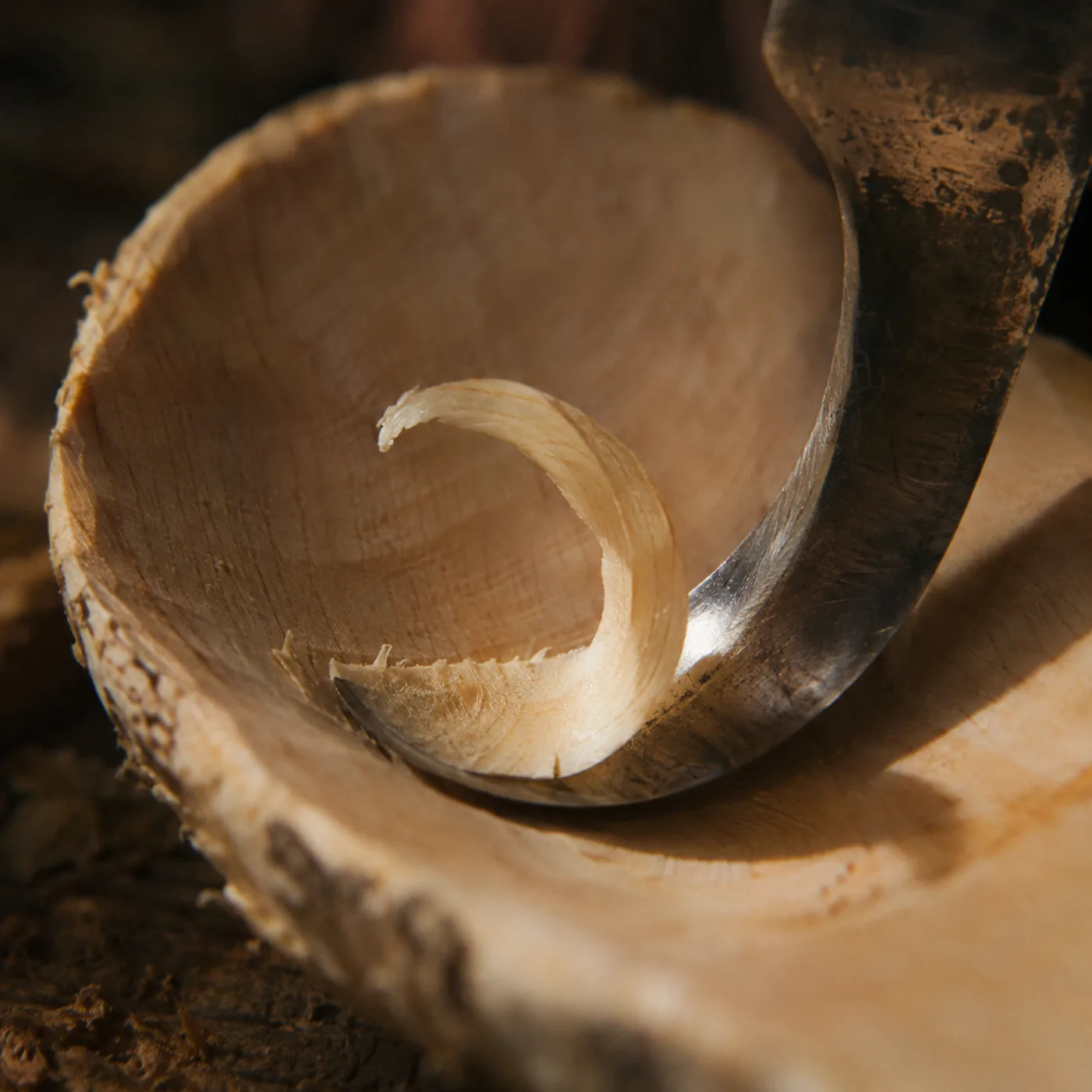
A hook knife scooping the bowl of a birch spoon
@seppolaineA hook knife scooping the bowl of a birch spoon

a lakeside village,

Letter no. 62

The hook knife and the bowl of a spoon
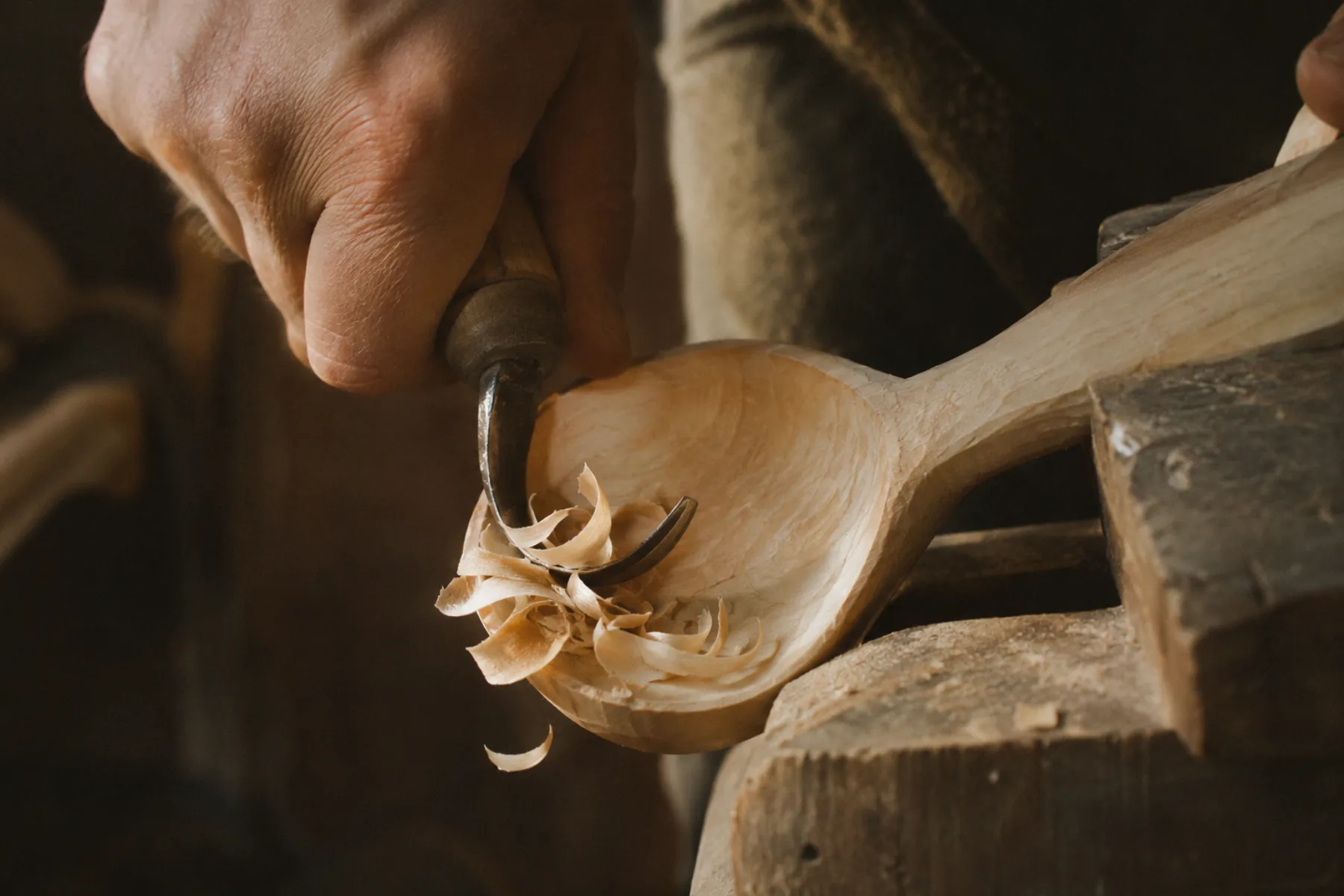
A hook knife scooping the bowl of a birch spoon
  • Where: A lakeside village
  • What: Carved wooden spoons
  • Since: 2009
  • What I used: Hook knife, straight knife, small axe

Dear reader,

This week I want to talk about the hook knife, because it is the tool that frightens people most and the one that does the best work. It has a curved blade, like a small hook, and its only job is to hollow out the bowl of a spoon. You pull it toward you, with your thumb braced on the handle.

I started a new eating spoon on Monday from a piece of green birch. I cut the outline with the axe, shaped the handle with the straight knife and then put both aside. For the bowl I held the spoon against my chest, rested the knife on the wood and let the curve of the blade take a thin curl at each pull. It takes patience, not strength.

The mistake I see most is cutting against the grain at the edge of the bowl, where the wood tears instead of curling. If you feel the blade catch, stop, turn the spoon around and cut from the other side. A sharp knife helps more than a strong arm, and so does a good light.

Try it this week on a scrap of softwood or a short length of green branch. Hollow a shallow dish, no bigger than a thumb. Next time I will show you how I check the thickness of the bowl without cutting through.

From the shed,

Seppo

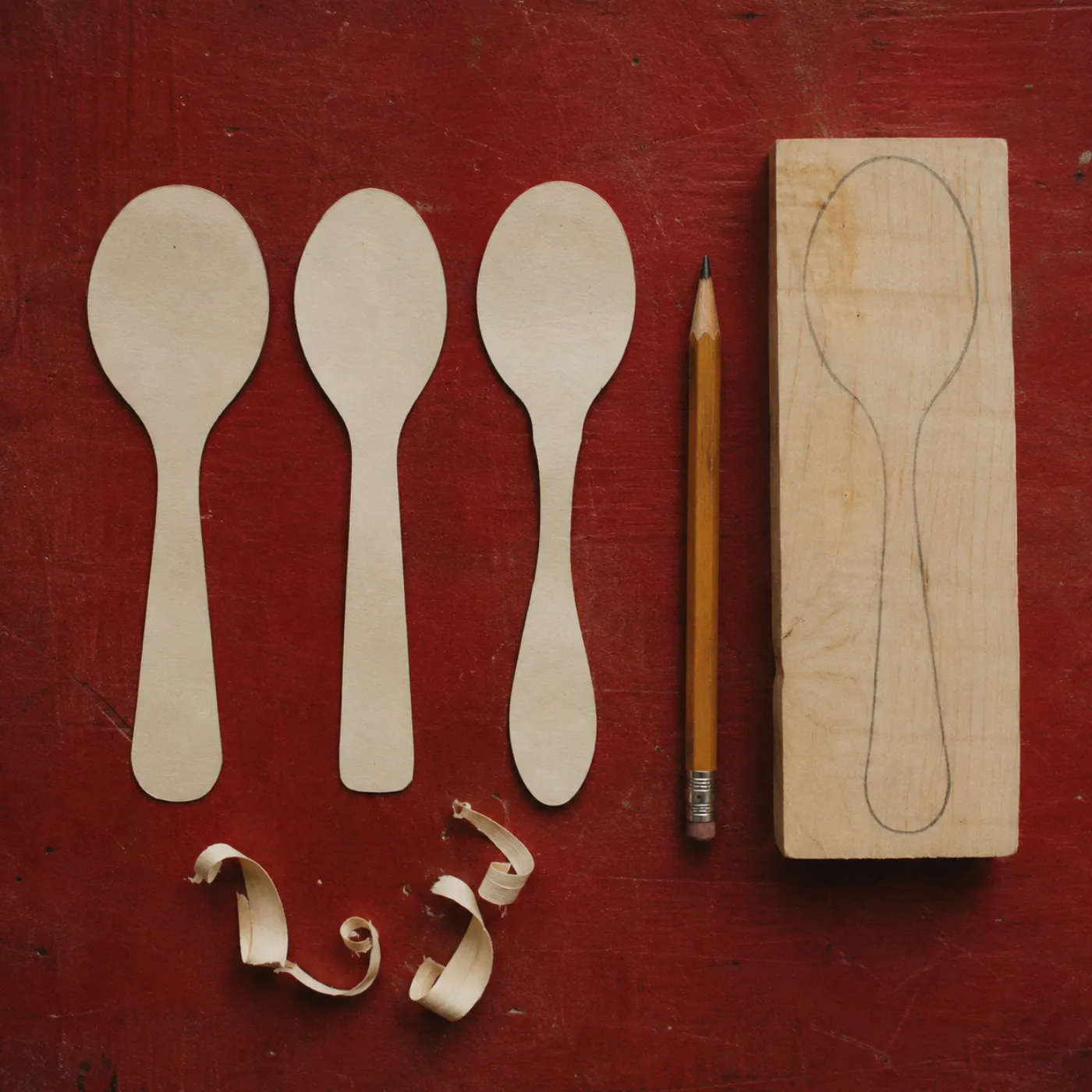
P.S. If you want to cut your own, the Spoon Outline Templates have the shapes already drawn.
One email every Saturday. Unsubscribe any time.

Past issues

  1. 61

    Why I carve with green wood

    Fresh birch is soft, damp and easy to cut. A look at what dries, what cracks and what stays.

    Oct 31, 20265 min readRead: Why I carve with green wood
  2. 60

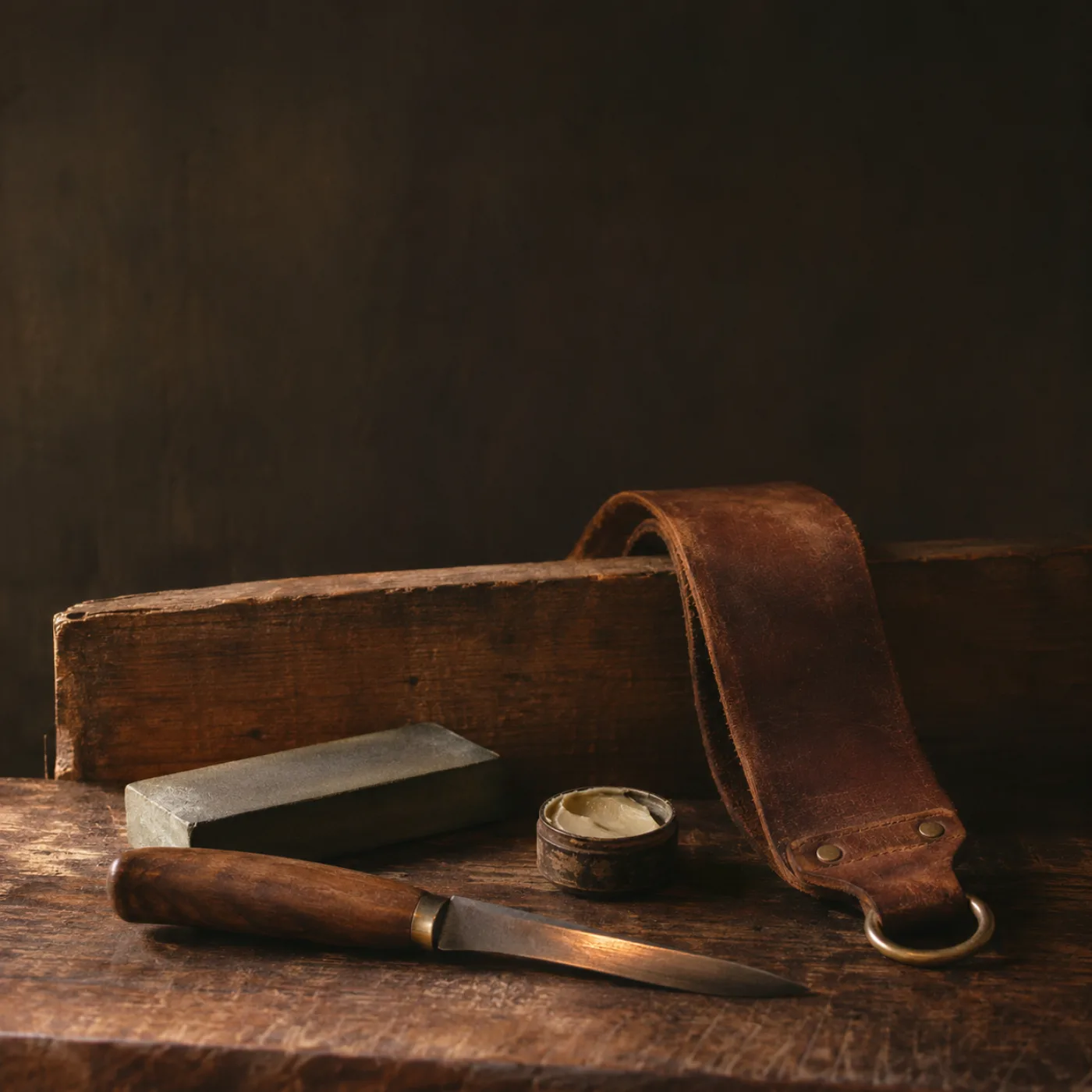
    Sharpening on a strop before you start

    Two minutes with a strip of leather, and the cut that tells you it was worth it.

  3. 59

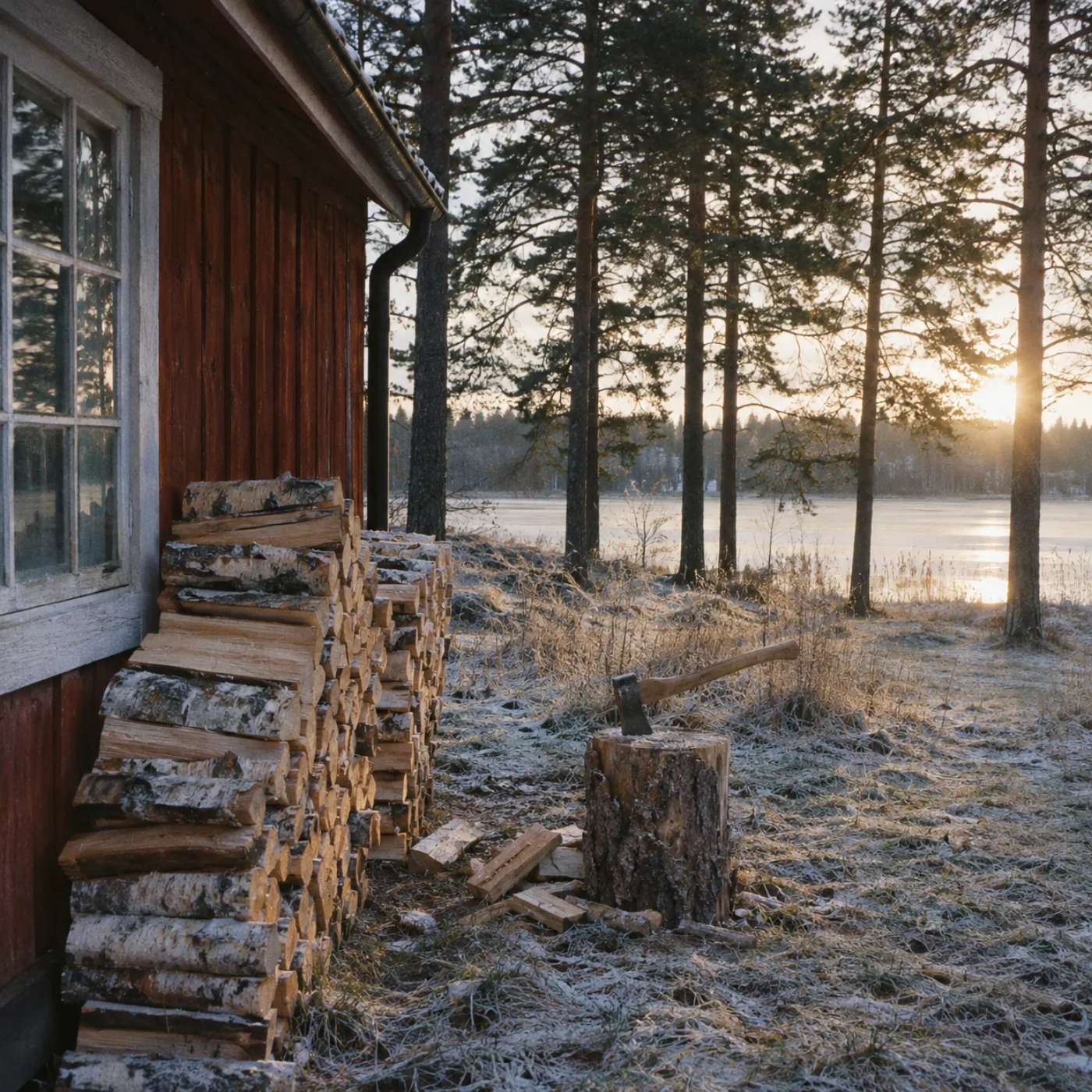
    A cup carved over one cold weekend

    A small drinking cup from one block of birch, in the shed with the stove going.

  4. 58

    Finding a spoon in a branch

    How I choose a branch, where I look for the curve and what I leave behind.

    Oct 10, 20265 min readRead: Finding a spoon in a branch
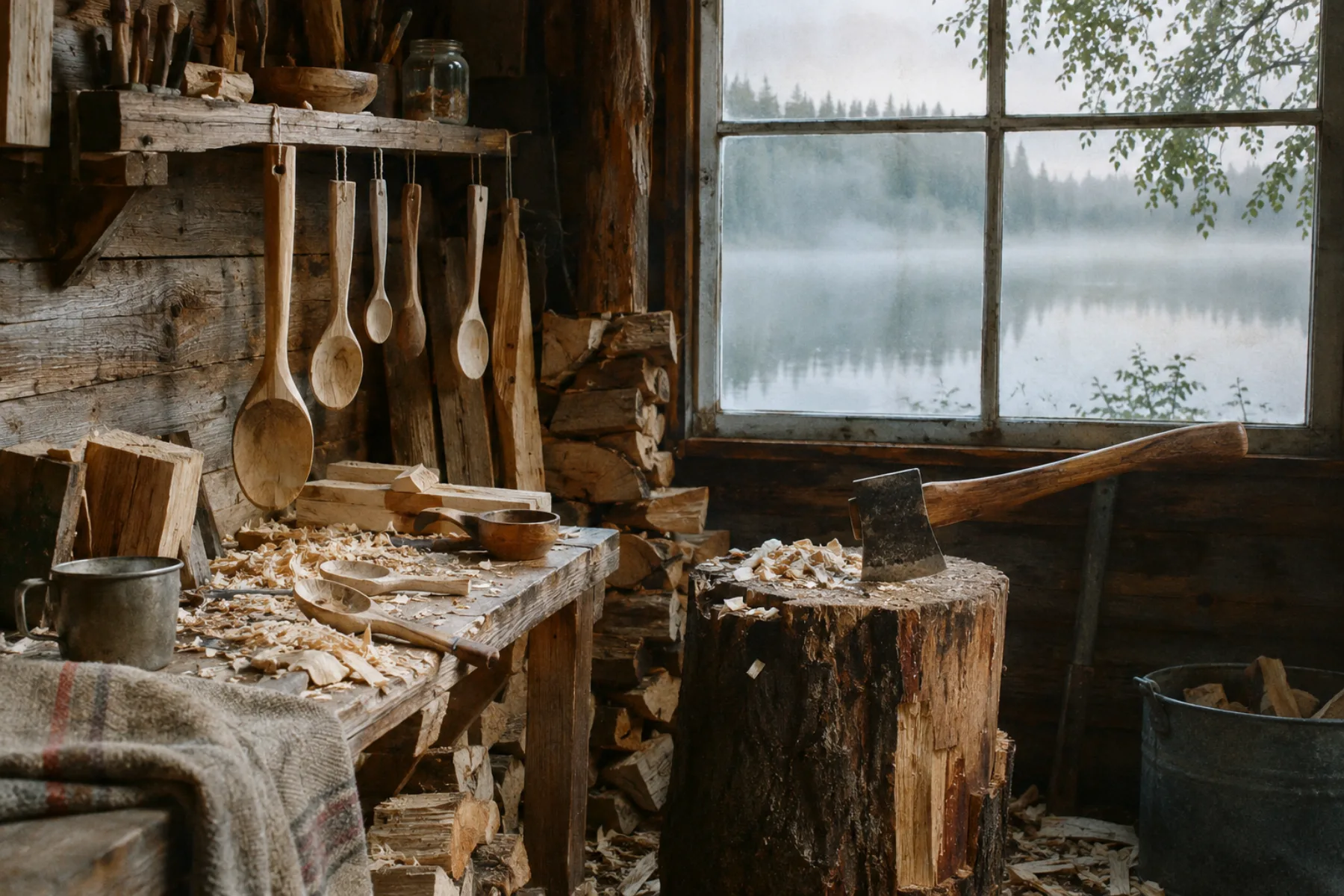
A lakeside shed interior with an axe, a chopping block and a lake window

About

About me

I carve spoons most mornings, in a small shed by the lake with a stove and a window. The tools are few: a hook knife, a straight knife and a small axe. A spoon starts as a split log and ends as something you will use every day. I like that it takes only an hour or two, and I like that the wood always has something to say about it.

I started by teaching a neighbour, and the letter grew out of that. Each Saturday I write about one cut or one tool, and what I got wrong. The patterns and guides are the ones I use at the bench, and the two video courses are for people who would like to start with a knife and an axe and nothing more.